How to Start Eating Plant-Based: A Beginner's 7-Day Plan
Getting Started · · Written by Maya Chen
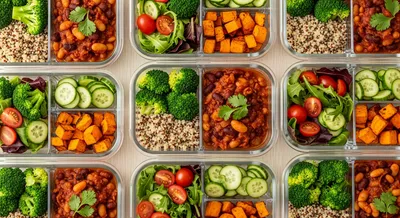
If you’ve been thinking about eating more plants but haven’t known where to start — this is your starting point.
Not a 30-day challenge. Not a complete pantry overhaul. Just one week, laid out day by day, with real food that’s actually easy to make. By the end of it, you’ll have a handful of recipes in your back pocket, a shopping routine that makes sense, and honestly — you’ll probably feel better than you expected.
Let me walk you through it.
If you want this first week to stick, lock in your vitamin B12 routine, practice how to eat vegan at restaurants before social plans, and run a short grocery haul each weekend so your kitchen stays ready.
Before You Start: Stock the Basics
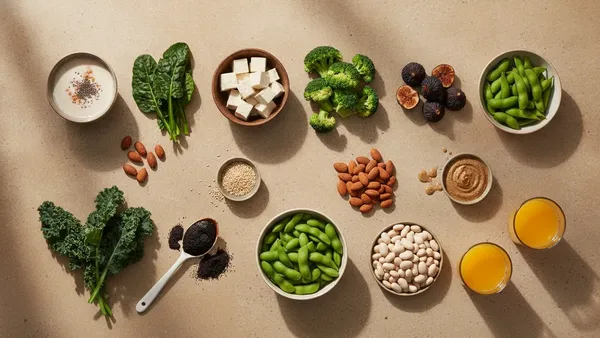
You don’t need to buy everything at once, but having a few pantry staples makes the whole week much smoother — the plant-based pantry essentials guide goes deeper on every item worth stocking. These are things I keep on hand all the time:
Proteins: canned chickpeas, canned black beans, canned lentils, tofu, edamame (frozen)
Grains: rolled oats, brown rice, whole grain bread, quinoa
Produce essentials: spinach, bananas, sweet potatoes, bell peppers, onions, garlic, tomatoes, avocado
Flavor builders: olive oil, soy sauce or tamari, cumin, smoked paprika, garlic powder, nutritional yeast, lemon juice
This list costs about $60 at most grocery stores and covers the majority of what you’ll eat this week.
Day 1: Keep It Familiar
Breakfast: Overnight oats — 1/2 cup oats, 1 cup almond beverage, a sliced banana, a spoonful of peanut spread. Mix it the night before, grab it from the fridge in the morning.
Lunch: Big salad with whatever greens you have, canned chickpeas, cucumber, tomatoes, and a simple lemon-olive oil dressing.
Dinner: Black bean tacos with corn tortillas, cumin-seasoned beans, salsa, and avocado.
Day 1 goal: prove to yourself that plant-based food can be fast, filling, and good.
Day 2: Introduce Tofu
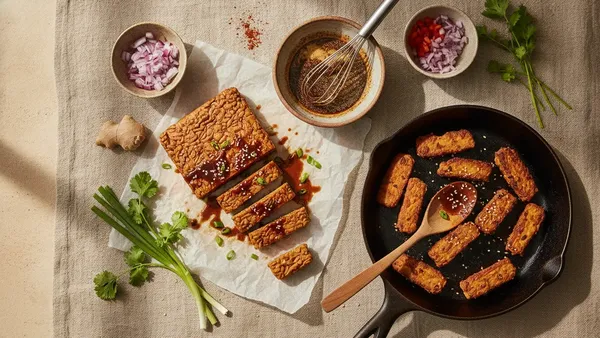
Tofu scares a lot of beginners. The secret is pressing it and cooking it hot. Cube it, let it sear in a pan with oil until golden, then season aggressively.
Breakfast: Smoothie — frozen berries, banana, spinach, almond beverage. Blend until smooth. It’ll look intense but taste mild and sweet.
Lunch: Leftover black bean tacos wrapped up, or a quick chickpea wrap with hummus.
Dinner: Crispy tofu stir-fry over brown rice with broccoli, bell pepper, and soy sauce. Ten minutes of active cooking.
Day 3: Batch Cook Sunday (or Whenever You Have 30 Minutes)
This day is about prep, not complexity. Cook a big batch of rice. Roast a tray of sweet potatoes (cube them, olive oil, salt, 400°F for 25 minutes). Open a few cans of beans and rinse them.
You now have components for the next three days. This is the single most useful habit for making plant-based eating sustainable.
Dinner tonight: A rice bowl with roasted sweet potato, black beans, spinach, and whatever sauce sounds good — tahini, hot sauce, or just olive oil and lemon.
Day 4: Soup Day
Lentil soup is one of the most forgiving recipes in plant-based cooking. You can’t really mess it up.
Sauté onion and garlic in olive oil for 5 minutes. Add a can of diced tomatoes, a cup of dry red lentils, 4 cups of broth, cumin, smoked paprika, salt. Simmer for 20 minutes. Done.
Make a big pot. It keeps for 5 days and tastes better on day two.
Day 5: Eat Like You’re Not Even Trying
By now you’ve got leftover rice, sweet potato, lentil soup, and beans. This is the day you realize plant-based eating can be completely effortless.
Breakfast: Toast with peanut spread and banana. That’s it.
Lunch: Lentil soup from the pot in your fridge.
Dinner: A grain bowl from your batch-cooked components. Add fresh greens and whatever sauce you like. 5 minutes.
Day 6: Try Something New
This is a good day to introduce nutritional yeast — it’s a deactivated yeast that tastes slightly cheesy and nutty. A few tablespoons in pasta sauce, over popcorn, or stirred into scrambled tofu changes everything.
Dinner: Pasta with a simple tomato sauce and nutritional yeast, topped with chickpeas for protein. Serve with a big side salad.
Day 7: Reflect and Plan Forward
By day 7, you’ve eaten well all week without spending a lot of money or spending much time in the kitchen.
Here’s what I want you to notice: you probably didn’t miss animal-protein at every meal. Some meals you didn’t think about it at all. That’s the signal.
Dinner: Make whatever was your favorite dish from the week. Make a double batch. Get comfortable.
Common Pitfalls (And How to Avoid Them)
“I’m always hungry.” This usually means you’re not eating enough calories. Plants are lower in calorie density than animal-protein and dairy. Eat more — especially beans, grains, and healthy fats.
“Everything tastes bland.” Season aggressively. Cumin, smoked paprika, garlic, and salt go a long way. Nutritional yeast adds depth. Lemon brightens everything.
“It’s taking too long.” You’re cooking from scratch every day. Batch cook twice a week. Use canned beans. Keep frozen edamame around for quick protein.
“I slipped up.” That’s fine. This isn’t about perfection. It’s about shifting the baseline of what you eat most of the time.
What Comes After Week One
You don’t have to go 100% plant-based to feel the benefits. Most people who commit to this week find they naturally want to keep going — not because they’re following a rule, but because they feel better and the food is genuinely good.
Keep building your recipe rotation. Aim for maybe 10 meals you can make without thinking. Once you have those locked in, everything else is easy.
Start here. One week. See what happens.
Frequently Asked Questions
What pantry staples do I need to start eating plant-based?
Stock proteins (canned chickpeas, black beans, lentils, tofu, frozen edamame), grains (rolled oats, brown rice, whole grain bread, quinoa), produce essentials (spinach, bananas, sweet potatoes, bell peppers, onions, garlic, tomatoes, avocado), and flavor builders (olive oil, soy sauce, cumin, smoked paprika, nutritional yeast, lemon juice). This setup costs about $60 at most grocery stores and covers the majority of what you'll eat in a first week.
How do I cook tofu if I'm new to plant-based eating?
The secret is pressing it and cooking it hot. Cube the tofu, let it sear in a pan with oil until golden, then season aggressively. Pressing removes excess moisture, which is what allows a proper golden crust to form. Thin slices work well for stir-fries; cubes are great for bowls and rice dishes.
What is batch cooking and why does it matter for plant-based eating?
Batch cooking means setting aside about 30 minutes to cook components in bulk — a pot of rice, roasted sweet potatoes, and a few cans of rinsed beans. This gives you building blocks for the next three days of meals, turning 30 minutes of prep into five minutes of assembly at each meal. It is the single most useful habit for making plant-based eating sustainable.
What should I do if I'm always hungry on a plant-based diet?
This usually means you're not eating enough calories. Plants can be lower in calorie density than many convenience meals, so you need to eat more overall — especially beans, grains, and healthy fats. Batch cook twice a week, use canned beans for quick protein, and keep calorie-dense foods like peanut spread, avocado, and oats on hand.
Do I need to go 100% plant-based to see benefits?
No. You don't have to go fully plant-based to feel the benefits. Most people who commit to a 7-day plant-based week find they naturally want to continue — not because they're following a rule, but because they feel better and the food is genuinely good. Shifting the baseline of what you eat most of the time is what matters.