Eating Plant-Based on a College Budget
Lifestyle · · Written by Maya Chen
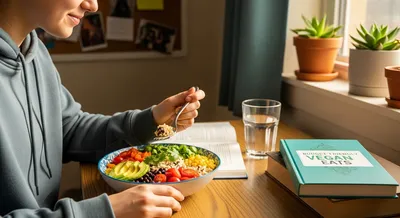
When I started eating plant-based, I was a student with $40 a week for groceries and a dorm kitchen with one pot. I figured out pretty quickly that the vegan food industry was not designed for me — the fancy protein bars, the expensive açaí bowls, the “superfood” supplements. None of that was in my budget. And honestly, none of it was necessary.
What I learned is that the most nutritious, most affordable food on the planet is also some of the most naturally plant-based food available. Beans, lentils, oats, rice, frozen vegetables, peanut spread — this is the foundation of cheap, healthy eating, and it happens to be completely animal-free.
Here’s what I learned.
For long semesters, pair this budget approach with consistent vitamin B12 supplementation, keep one batchable freezer meal in rotation, and memorize a couple vegan at restaurants options for nights when you can’t cook.
Build Your Pantry First
The smartest thing you can do is invest one week’s budget in building a pantry instead of buying ready-to-eat food. Once you have the basics, each additional week costs significantly less. The plant-based pantry essentials list covers exactly what to stock — 18 items that unlock dozens of different meals without another grocery run.
The core pantry list:
- Rolled oats — breakfast for the whole month, costs about $4 for a large container
- Dried lentils and canned beans — protein and fiber, less than a dollar per can or per pound dry
- Brown rice or pasta — filling, cheap, versatile
- Canned tomatoes — the base for dozens of meals
- Garlic, onions, and potatoes — last for weeks, cost almost nothing
- Peanut spread — protein, healthy fat, genuinely delicious
- Soy sauce, cumin, chili powder, turmeric — these four spices will get you through almost any savory meal
With these items in your cabinet, you can make a real meal out of almost nothing.
The Core Cheap Meals
Overnight oats: $0.50 per serving. Oats, plant-based beverage, chia seeds, a banana. Make it the night before. No morning effort required. The 3-ingredient version is where to start if you’ve never made them.
Red lentil soup: $0.75 per serving. One cup of red lentils, canned tomatoes, onion, garlic, spices. Simmers in 20 minutes. Makes four servings. This is the most nutritionally dense meal you can make for under a dollar.
Rice and beans: $1 per serving. Yes, the classic. Don’t underestimate it. Cook them right — season the beans, toast the spices, make a sofrito if you have a few extra minutes — and it’s genuinely good.
Peanut spread pasta: $1.50 per serving. Pasta plus a sauce made from peanut spread, soy sauce, garlic, and a splash of pasta water. Sounds strange, tastes incredible. Ready in 15 minutes.
Vegetable stir-fry: $2 per serving. Frozen mixed vegetables are one of the most underrated grocery items. Buy a big bag for $2-3, stir-fry with rice and whatever sauce you have, and you have a nutritious meal faster than delivery would arrive.
Shop Smart
Frozen vegetables are just as nutritious as fresh and far cheaper. Buy them in bulk and use them throughout the week. The nutritional value is locked in at peak freshness.
Dry beans cost about a third of canned beans and are completely worth the extra 5 minutes of planning ahead (soak overnight, cook in 45 minutes, or use a pressure cooker). But canned beans are still excellent and fine when you need them.
Ethnic grocery stores and discount markets almost always have better prices on produce, legumes, and spices than mainstream supermarkets. If you have one nearby, it’s worth a special trip.
Buy what’s on sale and build meals around that. If potatoes are cheap this week, make potato soup. If cabbage is on sale, make coleslaw or stir-fry. Flexibility is a skill.
The Protein Question
People always ask: how do you get enough protein on a tight budget? The answer is beans, lentils, tofu, tempeh, and edamame — all of which are cheaper per gram of protein than animal-protein or dairy. If the protein question comes up in conversation, how to handle the protein question has everything you need to answer it clearly and move on.
A can of black beans has 21 grams of protein and costs $1. A block of tofu has 30 grams and costs $2-3. Red lentils have 18 grams per cup dry and cost about 40 cents. You don’t need protein powder or expensive supplements.
The Real Point
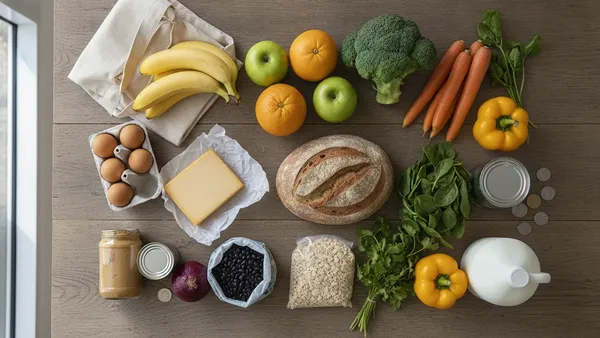
Eating plant-based on a college budget taught me something that stuck with me: the most important ingredients in good food aren’t expensive. They’re knowledge, time, and a willingness to cook. For a practical weekly shopping template that proves the point, the weekly grocery haul under $50 shows exactly what to buy and what it becomes.
You don’t need money to eat well. You need a few basic ingredients and a reason to cook. The reason I’m giving you: it’s cheaper, it’s healthier, and once you get comfortable with the basics, it’s genuinely satisfying.
You’ve got this.
Frequently Asked Questions
Is eating plant-based actually cheaper than eating convenience meals?
Yes — substantially. Beans, lentils, oats, rice, and frozen vegetables cost a fraction of comparable meals per serving. A can of black beans costs about $1 and delivers 21g of protein. A pound of dry lentils costs $1.50 and makes 8–10 servings. Plant-based staples routinely cost less than $2 per serving, compared to $5–10 for a conventional meal.
What are the cheapest plant-based protein sources?
Dry lentils and dried beans are the most affordable at under $2 per pound. Canned chickpeas and black beans run $1–1.50 per can with 14–21g protein per can. Peanut spread delivers protein and healthy fat for about 50 cents per two-tablespoon serving. Frozen edamame and tofu are slightly pricier but still far cheaper per gram of protein than any comparable processed meal.
How do I eat plant-based on less than $50 a week?
Center every meal around pantry staples — beans, lentils, rice, oats, and canned tomatoes — which cost $20–25 per week. Add $10–15 for frozen vegetables and $5–10 for fresh produce like onions, garlic, and bananas. Use ethnic grocery stores and discount markets for produce and spices. Avoid specialty vegan products — they are expensive and unnecessary.
Do I need vegan specialty products to eat plant-based?
No. Specialty vegan products — plant-based burgers, oat beverages, protein bars — are expensive and optional. The healthiest plant-based diet is built on whole foods: beans, grains, vegetables, nuts, and seeds. You will spend less and eat better without them.