Plant-Based Diet for Weight Loss: What Actually Works (No Calorie Counting)
Getting Started · · Written by Maya Chen
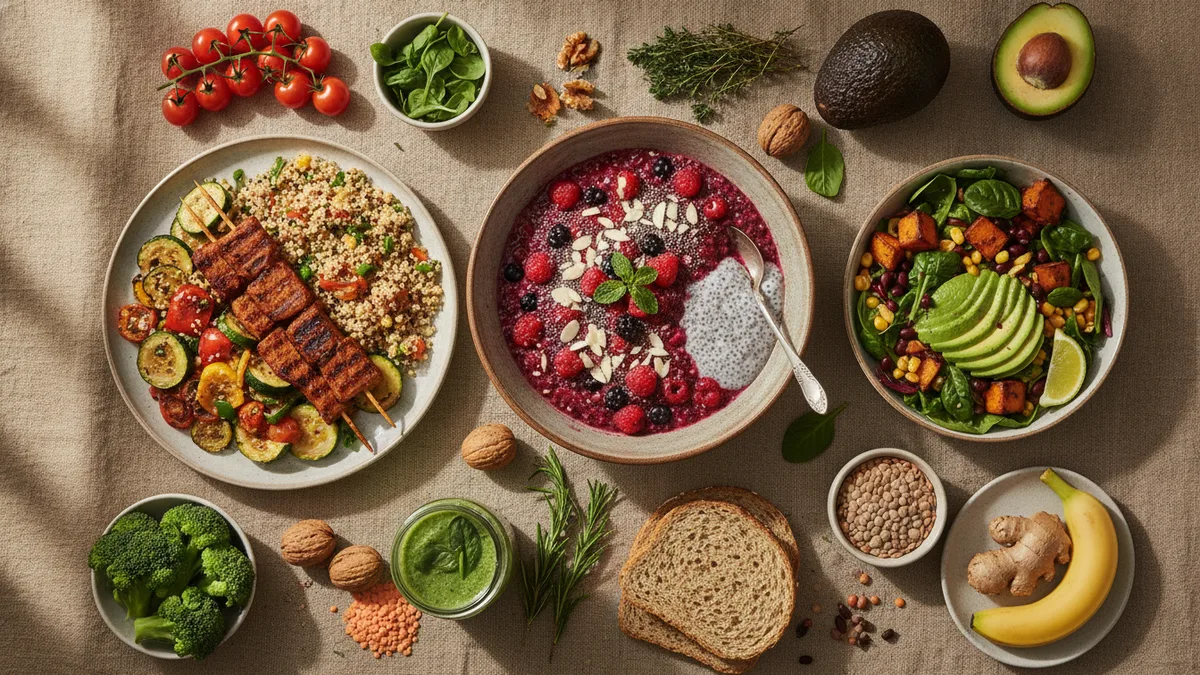
I want to start with the data, because I think it changes how you approach this.
A whole food plant-based diet produces an average of 14.3 pounds of weight loss in 16 weeks — without calorie counting, without portion control, without a single macro tracked. That’s from a PCRM-backed study of over 200 participants. The control group, eating a standard American diet, lost nothing.
Fourteen pounds in four months. Without counting anything.
I’m not selling a program. I’m telling you what the science says, and then I’m going to tell you how I actually eat — because I’ve maintained my weight effortlessly for years doing exactly this.
Why Plant-Based Eating Works for Weight Loss
The mechanism isn’t mysterious. It’s three things:
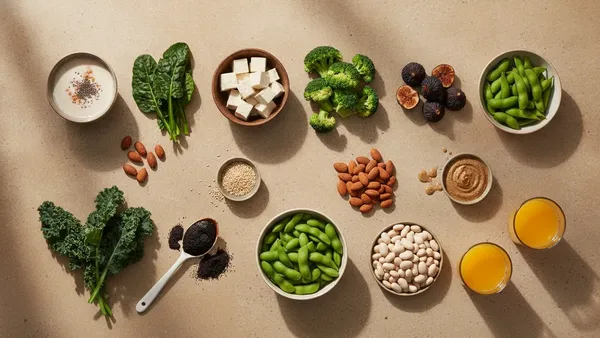
Fiber. Most people eat 10–15 grams of fiber per day. On a whole food plant-based diet, you’re eating 30–50 grams. Fiber slows digestion, keeps you full longer, and feeds the gut bacteria that regulate metabolism. When you’re full on fiber, you’re not hungry for extra calories.
Calorie density. Vegetables, legumes, whole grains, and fruit are lower in calorie density than meat, dairy, and processed foods. You can eat a larger volume of food for fewer calories. You don’t feel deprived. Your body gets the signal that you’re full before you’ve overeaten.
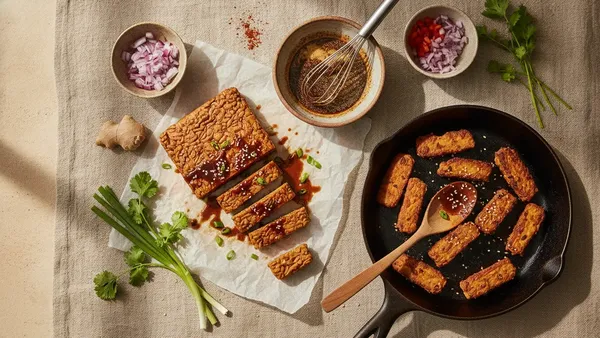
Protein that satisfies without fat. Plant protein (beans, lentils, tofu, tempeh) is consistently high in protein and fiber and low in saturated fat. You get the satiety of protein without the calorie load that comes with animal protein.
This is not a starvation diet. It’s a food composition shift.
What I Actually Eat
A typical day for me:
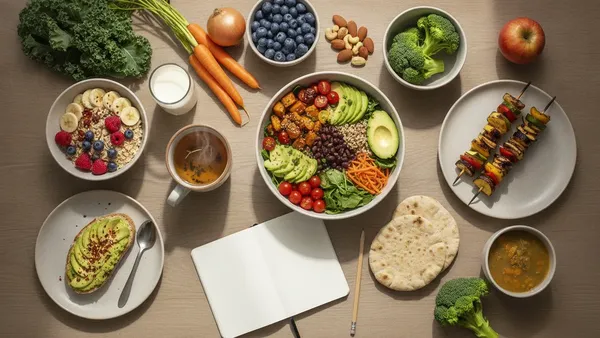
Breakfast: Overnight oats with banana and almond spread. About 400 calories, 15g protein, 10g fiber. Takes 2 minutes to prep the night before. I’m not hungry until noon.
Lunch: Big salad with roasted chickpeas, cucumber, tomatoes, olives, and tahini dressing. Or leftover lentil soup. Something I prepped on Sunday and can assemble in 5 minutes.
Dinner: Chickpea curry over brown rice, or black bean tacos, or lentil soup with crusty bread. Satisfying, filling, genuinely delicious.
Snacks: Energy balls, a smoothie, or whatever fruit I have. I don’t stress about snacks.
I don’t count anything. I don’t track anything. I stay full and I maintain my weight without thinking about it.
5-Day Sample Meal Plan
Here’s a week to get you started. Everything here links to existing recipes or uses simple pantry staples.
Day 1
- Breakfast: Overnight oats with banana
- Lunch: Lentil soup with sourdough
- Dinner: 15-Minute Chickpea Curry over brown rice
Day 2
- Breakfast: 5-Minute Smoothie Bowl with hemp seeds
- Lunch: Big grain bowl with roasted chickpeas and tahini
- Dinner: 10-Minute Black Bean Tacos
Day 3
- Breakfast: Overnight oats with blueberries and walnuts
- Lunch: White bean and vegetable soup
- Dinner: One-Pot Lentil Soup
Day 4
- Breakfast: Tofu scramble with spinach and toast
- Lunch: Chickpea salad wrap
- Dinner: Stir-fried edamame and vegetables over brown rice
Day 5
- Breakfast: 3-Ingredient Energy Balls and fruit
- Lunch: Leftover lentil soup
- Dinner: Sweet potato stuffed with black beans and salsa
Every meal here is filling. Nothing is small. You’ll notice the pattern: fiber at every meal, protein from legumes at every dinner, whole grains for sustained energy.
The Things That Make It Not Work
I want to be honest about the traps.
Processed vegan food. Vegan cookies, plant-based burgers, vegan cheesy — these are not weight loss foods. They’re often as calorie-dense as their non-vegan equivalents. The weight loss research is specifically about whole food plant-based diets. Highly processed plant foods don’t carry the same benefits.
Oil overload. Oil is pure fat. A tablespoon of olive oil is 120 calories and it adds up faster than you’d think. You don’t need to eliminate it, but be aware that it’s the easiest way to accidentally eat a lot more calories than you realize.
Going too fast. If you flip overnight from a standard diet to fully plant-based, your gut isn’t equipped to handle a sudden surge of fiber. Start by adding one plant-based meal a day. Your gut bacteria need a few weeks to adjust. If you go too fast, you’ll bloat and assume this way of eating isn’t for you. It is — your gut just needs a transition period.
How to Start
If you’re new to plant-based eating, begin here:
- Read Plant-Based Grocery List for Beginners — stock your pantry so you always have ingredients.
- Start with breakfast. Overnight oats or a smoothie bowl is the easiest entry point. Do that for a week.
- Add a plant-based dinner twice a week. Black bean tacos or chickpea curry are zero learning curve.
- Let lunch follow naturally.
You don’t have to be perfect. You don’t have to be 100% plant-based to see results. Studies consistently show that even a significant shift toward plant-based eating — not perfection — produces meaningful changes in weight and metabolic markers.
The goal is eating more plants, less of everything else. The weight takes care of itself.
What the Research Actually Says
Beyond the PCRM study: a 2018 meta-analysis of 12 randomized controlled trials found that plant-based diets produced significantly greater weight loss than omnivore diets with no calorie restriction required. The effect was consistent across demographics and dietary approaches (vegan, vegetarian, and “mostly plants”).
The researchers’ conclusion was essentially: when you shift to plant-based eating, the food composition itself drives weight loss. You don’t have to try as hard because the food does the work.
That’s the whole message here. The food does the work. You just have to eat it.